ADA Mobile Bathroom Rental: Available Route Requirements Made Simple
If you have actually ever before tried to place portable bathrooms for an occasion, a public celebration, or a short-lived work area, you already know exactly how fast an easy rental can end up being a logistics challenge. The device itself is just part of the picture. Where it rests, how a person reaches it, and whether that path in fact helps a wheelchair individual are commonly the information that obtain missed out on till the last minute.
That is where obtainable route requirements matter.
When people search for an ada portable toilet service, they commonly concentrate on the device dimension, the door, or whether the supplier calls it wheelchair accessible. Those functions issue, yet they are not nearly enough by themselves. An ada easily accessible portable washroom needs to be reachable. If a person gets here and the only path is soft mud, an aesthetic without a compliant ramp, deep gravel, or a sloped makeshift system, the washroom might exist however not meaningfully accessible.
The federal standard for this in the United States comes from the 2010 ADA Criteria for Accessible Style, as analyzed by the Department of Justice and the Gain Access To Board. For momentary arrangements, consisting of portable systems organized with each other at events, the availability policies still apply. That shocks some organizers that presume "short-term" indicates flexible. It does not, a minimum of not in the method lots of people hope.
What complies with is the useful version of the rulebook, centered on the part that causes the most complication: the route to the restroom.
The course is part of the restroom
This is the very first state of mind shift that makes the remainder easier. An ada portable bathroom is not just package you lease. Availability consists of the experience of obtaining from the bordering website to the entrance, entering the unit, and utilizing it with the needed clearances and maneuvering space.
In simple terms, if the unit is practically certified inside however stranded at the end of an unattainable path, the configuration is still a problem.
The Accessibility Board's support makes two points especially important right here. First, obtainable portable bathroom units need to have an easily accessible path and entry. Second, if ramps or touchdowns are needed, those aspects likewise need to adhere to ADA technical demands. That is where many or else well-meaning arrangements crumble. A site team places a larger ada compliant mobile toilet beside a verdant area, notices a grade modification, and improvisates with plywood or a high momentary ramp. The thinking is useful, but the outcome can be pointless or unsafe.
I have seen organizers spend a lot of time comparing system models, after that position the accessible one in the most awful area due to the fact that it was "out of the way" or much easier for the delivery truck. That normally means a longer course, even more uneven ground, or a path that gets worse once foot traffic and climate start servicing it. The available system should be dealt with as a concern placement, not an afterthought.
How lots of accessible units are called for in a cluster
This concern comes up virtually each time portable washrooms are bought in volume.
For collections of mobile single-user bathroom systems, at least 5 percent of the units in each collection should come. The Access Board has made clear that this applies even at temporary occasions. So if toilets are grouped with each other, the easily accessible count is not optional even if the installation just lasts a day or a weekend.
That 5 percent rule is one factor it aids to think in regards to clusters rather than the entire website in the abstract. If bathrooms are divided in between various locations, each cluster requires to be considered on its own. A typical blunder is putting all easily accessible units in one central area while other restroom groupings across the website have none. The assistance points you back to the collection itself.
For anyone preparing ada compliant portable washrooms, this is not simply a documents issue. It directly affects travel range and dignity. Individuals should not need to leave the location they are utilizing, go across a challenging site, and look for the one obtainable choice concealed someplace else.
What "easily accessible path" truly means on a short-term site
The phrase seems technical, however its practical meaning is straightforward. The course should permit a person with a special needs to get to the ada compliant accessible mobile toilet and enter it. If a ramp or touchdown is part of that path, it has to satisfy ADA technical demands. The very same is true for the entrance.
The legislation and support are outlined, however on the ground, obtainable path planning typically boils down to honest monitoring. Ask on your own exactly how the path acts under actual problems, not perfect ones.
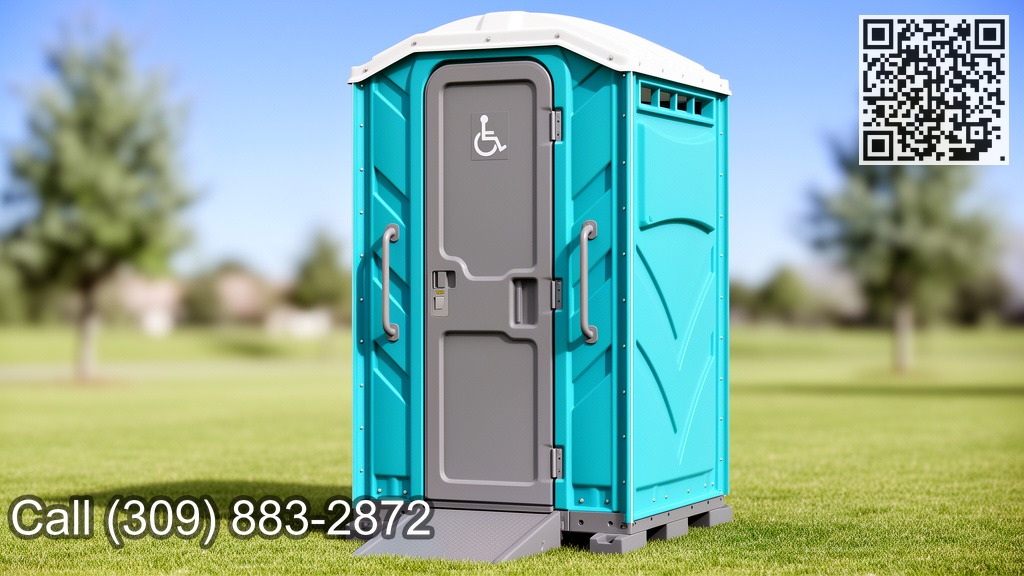
A course that looks fine at 8 a.m. On a completely dry arrangement day may become challenging by noon if the ground softens, cords cross the path, trash bins narrow the approach, or the line to nearby concessions spills right into the navigating location. Short-term sites transform by the hour. Availability has to endure those changes.
A few conditions should have unique focus since they are so often overlooked:
- Soft or unstable ground between the main blood circulation path and the available unit
- Improvised ramps or platforms that were never checked against ADA technological requirements
- Doors obstructed by fencing, stanchions, or group overflow
- Grade adjustments that seem minor theoretically but create an actual obstacle at the unit entrance
- Accessible devices put where service lorries can reach them, yet customers cannot
That last one is more usual than individuals expect. Delivery accessibility and individual gain access to are not the exact same point. A vehicle can back into places that a mobility device user can not safely reach.
The entry matters equally as much as the path
An ada compliant mobile commode can not stop being accessible at the entrance. The guidance is clear that mobile accessible units need an easily accessible entryway, and the unit must also please relevant toilet-room technological requirements. That consists of turning room, fixture clearances, door steering clearances, and appropriate grab-bar and water-closet clearance rules.
This matters since some people make use of "ADA system" as a common label for any kind of larger portable toilet. Size alone does deficient compliant. A roomy inside that does not have the needed clearances is not enough. A wide-looking door that does not offer the needed maneuvering room is not enough either.
This is one factor knowledgeable site coordinators ask suppliers exact questions rather than counting on broad sales language. Terms like ada handicap accessible mobile restroom or ada-compliant portable restrooms obtain made use of in advertising, but what you really need is a device that satisfies the pertinent technological requirements and is placed so those attributes can be used.
The sensible lesson is easy: never separate the device from the placement plan. They increase or fall together.
Why route planning often tends to damage down
Most failures are not caused by negative intent. They come from compressed timelines, altering website conditions, and an incorrect feeling that "close adequate" will serve for one brief event.
Here is what typically takes place. The rental order is placed, the count is confirmed, and the site map obtains changed numerous times. A food supplier requires more space. Secure fencing changes. The generator location expands. A stage vehicle takes over the flattest spot of ground. By the time the portable commodes are delivered, the obtainable route that appeared obvious on the draft strategy no longer exists in a practical form.
I have seen event groups solve twenty functional troubles in an early morning and still miss out on the one path a mobility device user would actually need. That is not since accessibility is obscure. It is since temporary websites are hectic, and information that affect a smaller sized share of participants are frequently left for the end. The problem is, accessible course concerns are hardest to take care of at the end. When devices are gone down, fencing is set up, and traffic patterns are established, every adjustment gets a lot more pricey and a lot more awkward.
This is likewise where empathy requires to move from language to design. An indicator that claims "accessible" is not a politeness if the course is obstructed, steep, or unpredictable. It becomes a frustration point.
The role of signs and identification
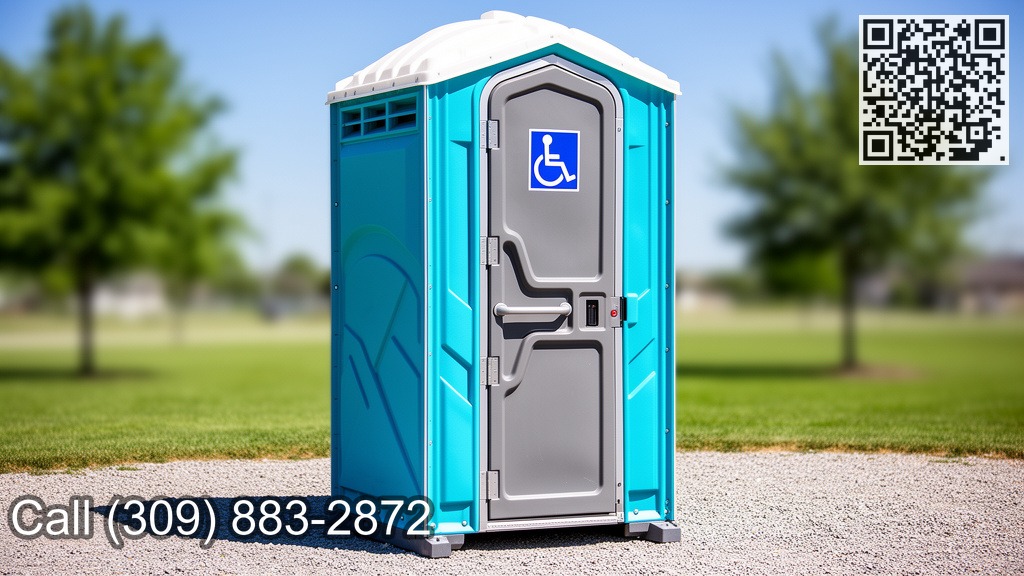
Accessible mobile commode units must be related to the International Sign of Accessibility. That appears standard, however it plays an essential duty on busy websites. People require to be able to find the appropriate unit swiftly and confidently.
Still, the icon should match truth. If the unit is significant however the route is inadequate, you produce confusion before you develop access. Recognition functions best when it is coupled with thoughtful positioning, visible technique paths, and sufficient room around the entryway for real use.
This is particularly crucial at festivals, local events, and various other jampacked celebrations where portable bathrooms are spread across a large impact. Individuals frequently choose where to go based upon line size, visibility, and proximity. If the obtainable device is concealed behind solution equipment or put at the rear of a row without clear technique, the symbol alone does not address the problem.
Temporary does not suggest exempt
One of the more consistent misconceptions in this area is that temporary arrangements get a pass. They do not.
The Accessibility Board has claimed that the 5 percent available system demand puts on portable single-user toilet collections also at momentary events. For general public mobile bathroom services, the obtainable device need stays in place.
There is a narrow historic difference worth keeping in mind because it occasionally gets cited out of context. The older 1991 requirements included an exception from the portable-toilet ease of access scoping need for devices at construction websites used specifically by building personnel. That is not the same as a general exemption for all mobile toilets or all short-lived uses. It ought to not be stretched beyond what it says.
This matters since individuals often listen to "building site exception" and presume portable systems are generally outside the usual regulations. That is not a risk-free assumption for public-facing rentals, community occasions, fairs, parks, races, or similar short-lived installations.
What to ask prior to the truck arrives
The smartest time to address obtainable route concerns is before delivery, when the website is still versatile. As soon as you understand the amount of systems you require and where the collections will be, the next action is less concerning lawful lingo and more regarding regimented website planning.
A brief pre-delivery review generally stops the most usual problems:
- Confirm which devices in each collection are the obtainable ones
- Walk the real course per easily accessible unit, not just the path revealed on a plan
- Check whether ramps or landings are needed and whether they will certainly comply
- Make sure the entryway location will remain clear after fence, queuing, and supplier setup
- Verify the accessible device will certainly be understood the needed symbol
That walk-through matters greater than individuals believe. Drawings flatten troubles. A path that appears straight on paper may cross rough ground, punctured a solution lane, or rely upon an opening that will later on be blocked. A ten-minute walk can save a very public mistake.
An easy example from the field
Imagine a weekend break arts reasonable with three bathroom collections: one near the entry, one beside the food suppliers, and one at the far grass where efficiencies happen. The organizer publications sufficient systems overall, consisting of ada certified portable commodes, and assumes the need is covered.
But if the available units are all put only at the entryway cluster, the configuration may still stop working the basic reasoning of gain access to across the site. Someone hanging out at the performance grass need to not need to travel back across the reasonable since the only ada portable commode was concentrated elsewhere. The 5 percent regulation puts on each cluster, which presses the organizer toward a much more equitable layout.
Now add path problems. The obtainable unit at the grass collection is placed on yard that appears firm throughout setup. Over night rain adjustments that. By Saturday mid-day, the path is soft and rutted. The system might still be the ideal design, noted with the access sign, and technically roomy within, but the path has actually ended up being the barrier.
That is the part many individuals remember after the event. Not the specification sheet, yet the lived truth of obtaining there.
The broader compliance climate is tightening, not loosening
Even if your prompt issue is only portable toilets, it aids to understand the bigger atmosphere. ADA conformity is not fading into the history. Enforcement and conformity assumptions remain energetic throughout sectors, including areas beyond physical spaces.
A recent instance is the Department of Justice support expanding the due date for sure state and city government web and mobile access demands to April 26, 2027 for larger entities. That is not about portable commodes directly, yet it reveals the wider pattern plainly. Ease of access is being dealt with as an ongoing functional responsibility, not a box to examine once.
For occasion organizers, districts, location drivers, and rental coordinators, the message is practical. Momentary infrastructure must be prepared with the same severity as long-term facilities when the general public demands to utilize it.
Where profundity comes in
The ADA standards provide the controlling structure, but actual websites still need judgment. Not every course issue is apparent from a distance. Not every collection has ideal terrain nearby. Not every vendor or venue team talks the same compliance language.
Good judgment starts with a few habits.
First, deal with the easily accessible unit area as a first choice, not the leftover area. Second, test the route under most likely conditions, not simply the best-case situation. Third, bear in mind that the entryway and indoor clearances matter as long as the path. Fourth, do not perplex a bigger system with an ada-compliant portable commode unless the technical needs are actually fulfilled. Fifth, beware with exemptions. A narrow construction-site distinction does not erase basic commitments for public usage portable units.
That might sound stringent, yet it typically leads to better events and less final scrambles. Access planning often tends to improve blood circulation, lower bottlenecks, and make the site much easier for every person to navigate.
Making "simple" mean usable
People usually want a quick answer to ada portable commode needs, ideally something that fits in a sentence. The simplest accurate version is this: offer the required number of obtainable devices in each cluster, make sure each ada mobile bathroom is recognized effectively, and ensure there is an obtainable route and entry that adhere to ADA demands, consisting of any type of ramps or landings that are needed. Then see to it the system itself meets the pertinent technological needs for usage inside.
Simple does not mean informal. It implies clear sufficient to act on.
If you are arranging an ada portable commode https://johnathaniume313.stonefielddigest.com/posts/ada-accessible-portable-washroom-rental-what-access-criteria-apply leasing, the most effective question is not simply "Do I have an ADA system?" It is "Can a person in fact get to it, enter it, and utilize it with self-respect when the site is completely running?" That inquiry captures problems early. It likewise transforms exactly how teams make positioning decisions.
An ada certified mobile restroom need to not feel like a special holiday accommodation concealed off to the side. It should feel like a normal, expected component of the site, since that is specifically what it is. When the course is solid, the entryway functions, and the cluster is intended properly, the whole configuration comes to be quieter, smoother, and a lot more humane.
And that is usually the mark of excellent ease of access preparation. Not that individuals see it as an attribute, yet that no one is shut out by a detail that should have been taken care of from the start.
 Ask ChatGPT
 Ask Grok
 Ask Perplexity
 Ask Claude
 Ask Google AI
 Ask You